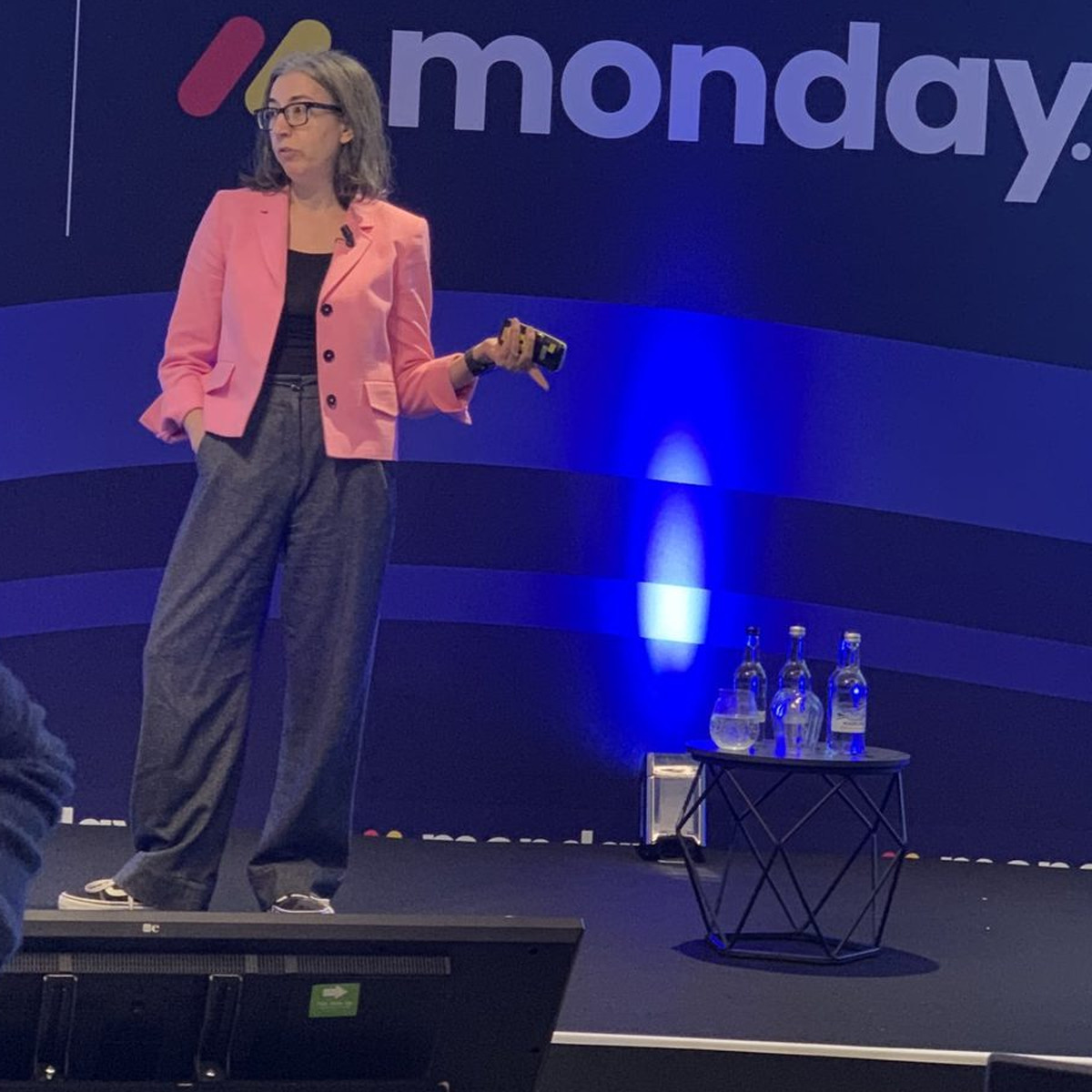
It’s a Sunday evening in June 2017 and I’m back in Southampton, my home town, speaking at a property networking event. These days I live in Cheltenham, a town that lives and breathes horse racing. So I’m starting with a horse.
I ask the room to think about a jockey on a racehorse. The jockey decides where they go, when to push on, when to ease off and when to jump. Or thinks they do. You’ve seen a jockey come off at a fence. The horse doesn’t stop and wait. It carries on running wherever it fancies.
Most people think the person riding is in control. They’re not. The animal underneath is.
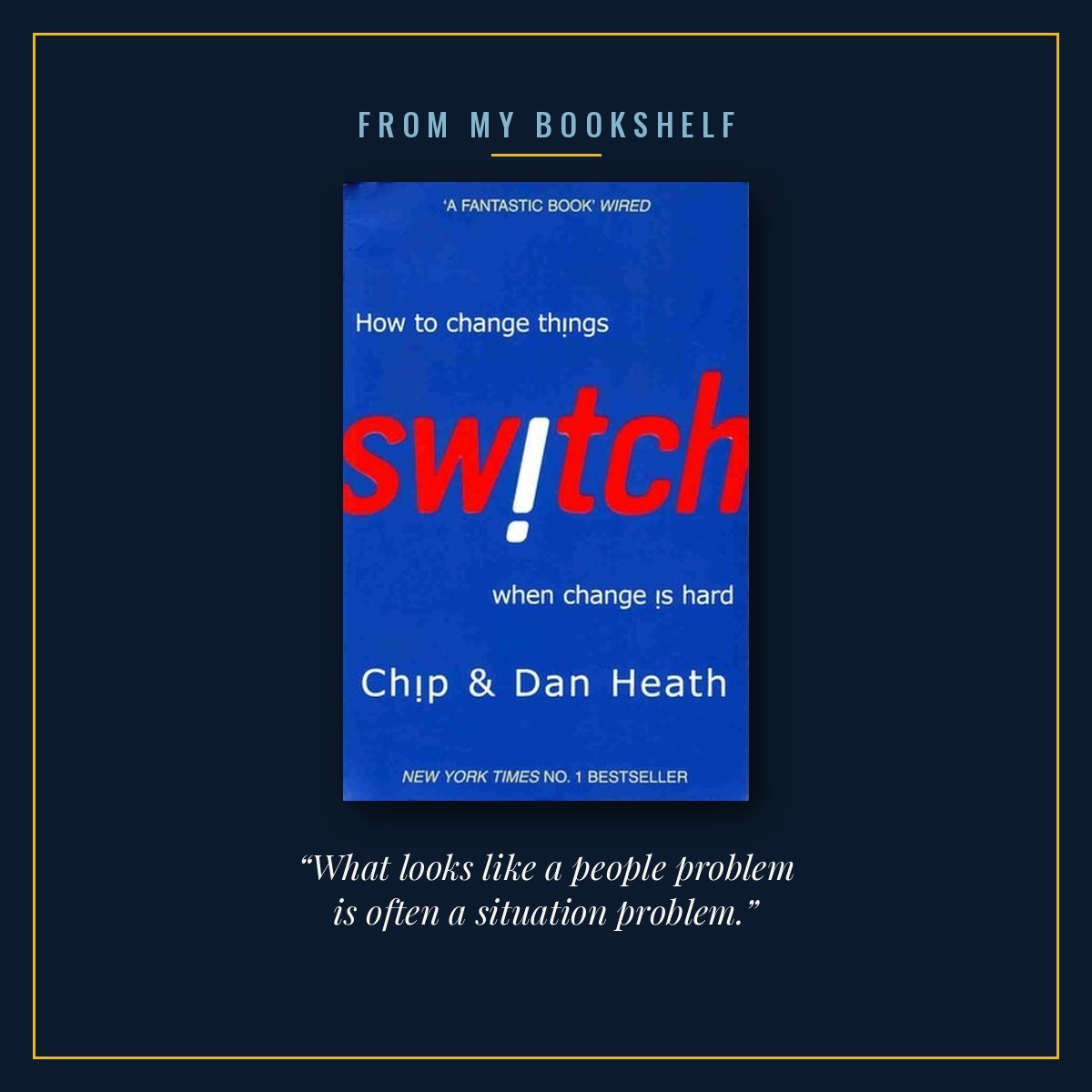
That idea is borrowed straight from Chip and Dan Heath. In Switch they tell it as the elephant and the rider. I tell it as the jockey and the horse because, well, Cheltenham. It’s the bit of the book that’s stuck with me most, and a story I tell all the time.
The rider, the elephant and the path
Switch is about how to change things when change is hard. The Heaths say every one of us has two sides. The rider is the logical part: it plans, analyses and decides. The elephant is the emotional part: it wants comfort now and it’s much, much stronger. When the two disagree, the rider can tug on the reins for a while. Sooner or later it gets tired, and the elephant goes where it wants.
So to change anything, they say you need to do three things. Give the rider a clear direction. Give the elephant a reason to want to go. And shape the path, so it’s easier for both of them to get there.
That third one is the part people forget.
They also talk about shrinking the change. If the change feels huge, the elephant digs its heels in. Make it feel smaller and closer, and it’ll get moving. One example they use is a car wash loyalty card. Give people a card with a couple of stamps already on it, and more of them finish it. They still have to buy exactly the same number of washes. Feeling like you’ve already started is a big deal for the elephant.
“What looks like a people problem is often a situation problem.”
There’s a story in the book about Jerry Sternin, who went to Vietnam to tackle child malnutrition. Instead of studying everything that was going wrong, he looked for the families whose children were healthy despite having the same as everyone else. The Heaths call those bright spots. Those mothers fed their children little and often, adding tiny shrimps and crabs from the rice paddies and sweet potato greens. Sternin helped other families copy what was already working right there in the village.
The diet and the cake
Back in Southampton, I tell the room about the person who announces on a Monday morning that they’re on a diet. They walk into the kitchen and somebody’s brought in a cake. The jockey says we’ve decided, we’re getting healthy. The horse says I’ll start tomorrow. Guess who wins.
The same thing happens with anything that feels a bit exposed. Writing a blog post. Recording a video. The horse tells you it isn’t good enough yet, and the post never goes out.
I’ve got my own record of how much this book meant to me. My entire Goodreads review says: “Awesome book. A must read!” Not my most detailed work. I stand by every word, and I’ve read it twice.
If you’re trying to change something and it keeps not happening, have a look at the horse and the path before you blame yourself. If you really want to make an impact, you need to talk to the horse as well as the jockey.
The Heaths turn up twice in my free guide, 50 Books That Shaped Me: this one and Made to Stick.
At the end of that evening in Southampton, the host records a quick video for social media and fluffs the line. While talking about done beats perfect, of all things. It’s far from perfect. It still goes out.