John Lydon has written two autobiographies, and I’ve read them both. Rotten is the first. It’s his side of the Sex Pistols story. He tells it the way you’d expect: sharp, funny and with no interest at all in whether you like him.
There’s a line of his I can’t argue with:
“If you are p*ssing people off, you know you are doing something right.”
Do you know what? I agree with him.
If you’re interested in the real story of the London punk scene, read this book. Lydon grew up in a London Irish family, and he had meningitis as a boy, which left its mark on him. The subtitle, No Irish, No Blacks, No Dogs, comes from the signs on lodgings in the London he grew up in. That tells you where some of the anger came from. Then came the Pistols, Malcolm McLaren, the headlines and the chaos, and the band falling apart almost as fast as it took off.
What makes it different from a lot of music memoirs is that he doesn’t just give you his voice. Friends and enemies chip in along the way, and they don’t always agree with him. He leaves it in anyway. That says a lot about the man.
But read it for more than the punk. Read it to see how to build a character that isn’t really a character at all. Johnny Rotten was just John Lydon turned up loud. He stood out by being himself, and he’s never really stopped.
Turning the volume down from 11 to 9
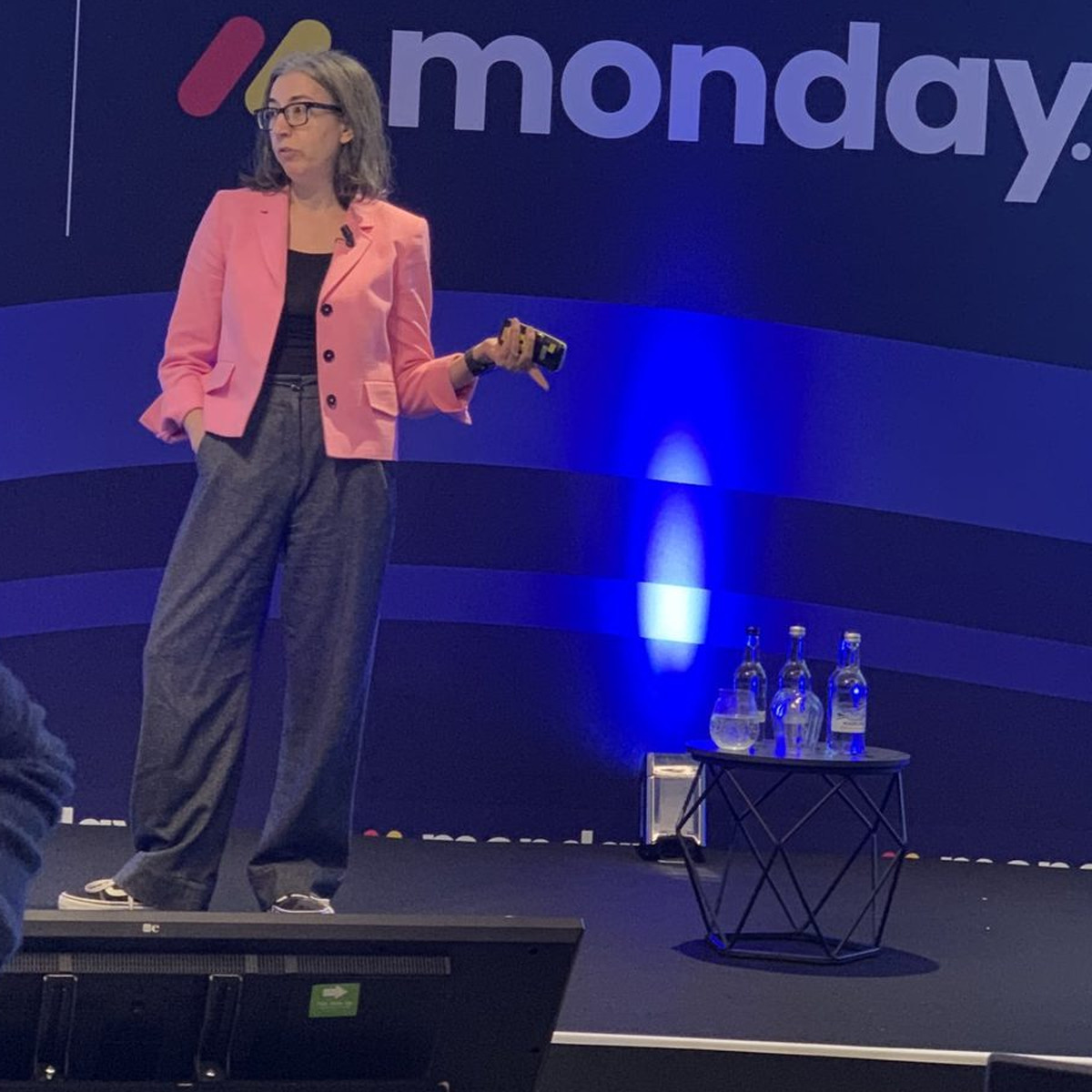
I talked about this on our podcast in an episode called The Importance of Being You. People have come up to me after a talk and said, “Oh my God, you’re you.” What they mean is that the person on stage and the person in front of them are the same. Off stage I just turn the volume down from 11 to 9.
It hasn’t always been that way, and I owned up to it on that episode. There was a time when I kept groups of people apart, because each group knew a slightly different version of me. Nothing sinister.
These days I don’t care. Back in 2019 I wrote it on LinkedIn as plainly as I could: “I am me. Take it or leave it.”
That’s what Lydon does on every page. He doesn’t ask permission and he doesn’t smooth the edges off.
Here’s the practical side of it. When an events manager reads me my feedback scores, I only want the fives and the ones. The people in the middle aren’t the ones I’m reaching. The ones who loved it and the ones who hated it are telling me I said something that landed. That’s Lydon’s line in business clothes.
Think about where you water yourself down. The email you rewrite three times so it sounds like everyone else. The bit of your story you leave out because it might put someone off. Every one of those makes you a little easier to forget. Lydon went further than most of us ever need to. For the rest of us, standing out mostly means leaving those bits in.
You’re allowed to change your mind
There’s another line in the book that matters just as much:
“I don’t ever think you should put full stops on thoughts. They change.”
I love that, because being yourself gets misread as never changing. That line gives you permission. Being unapologetically you includes the right to grow. You can stand up for what you believe today and still believe something different in ten years.
So stand up for what you believe in, whether it’s popular or not. Create yourself, be yourself, and don’t let anything or anyone tell you otherwise.
Rotten is one of the books in the music chapter of my free guide, 50 Books That Shaped Me. If you like this one, Moby’s Porcelain is in there too.
Who would you be if you stopped worrying about upsetting the wrong people?