

A former manager of mine once wrote this about me on LinkedIn.
Neil has an enviable ability to assimilate huge amounts of information and repackage it so that non-experts can understand its significance within the whole of the business solution. His presentation skills are exceptional and the use of technology to illustrate his themes is both imaginative and effective.
I worked for him more than twelve years before I shared it. Reading it again still makes me smile. Back then, he thought I was at the top of the presentation skills game.
I'm grateful for that. But I've learned so much since.
A conversation skill
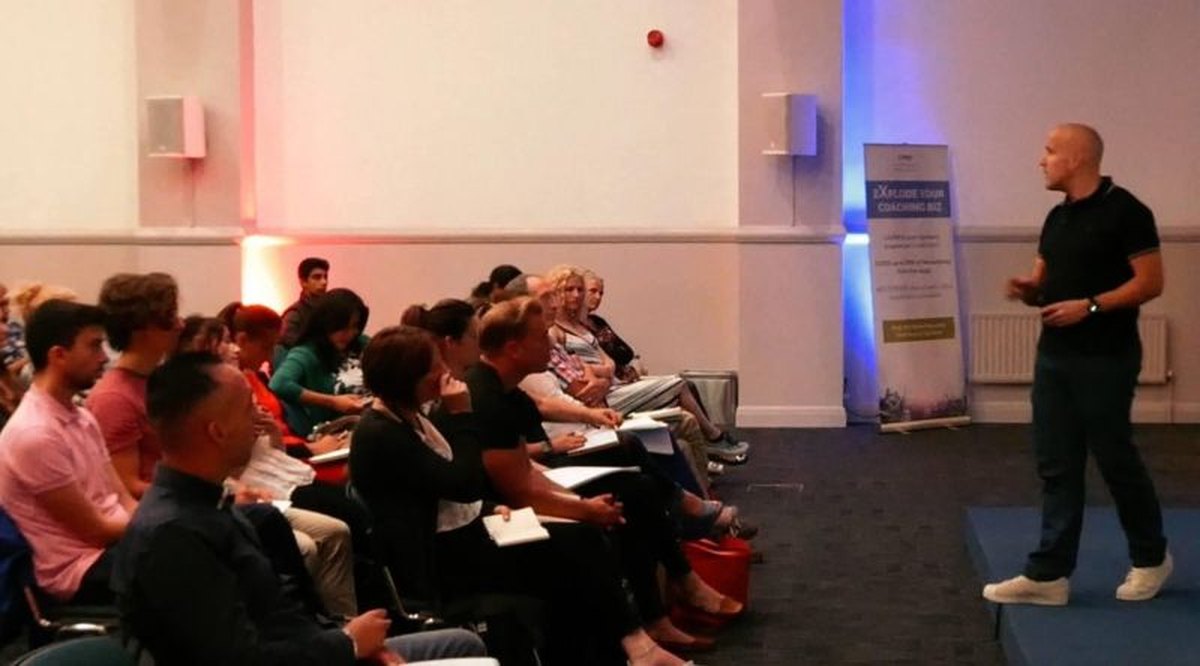
The biggest thing I've realised is that presentation skills are really something else. They're about how to master a conversation.
Think about it. Isn't that what all communication is?
It's easy to think of presenting as a performance. Get the slides right, learn the script, hit your marks. There's a place for preparation. But the talks that work best are the ones where the audience feels like you're talking with them. Where you've thought about what they already know, what they're worried about, and what they'll ask in their heads before they ask it out loud.
That's what my old manager was really describing. Taking a lot of complicated information and turning it into something that makes sense to the person in front of you. Call it a presentation skill if you like. To me it's a conversation skill that happens to work on a stage.
One conversation
I believe one conversation can change everything. It might be on a stage, on the phone, in a quiet chat over coffee, on a video, or in something you write.
And small changes make a big difference. Change a single word and you can change how a whole message lands. "Can I give you some feedback?" puts a lot of people on edge. "Can I share an idea?" tends to open them up.
I liked that idea so much that one of my podcast episodes was called One Conversation Away.
It works the other way too. The more you treat a conversation as a performance, the less of the other person you notice. You miss the raised eyebrow, the question they didn't quite ask, the moment they stopped listening.
Over the years I've been lucky enough to coach and mentor some brilliant people and businesses on crafting and delivering their messages. I'm often humbled when I hear about the ripples those messages have created, long after we worked on them.
The advice I'd give anyone is simple. Stop thinking about how you'll come across, and start thinking about the person on the other end. What do they need to hear? What would make them want to reply?