
A caption that read fine. A post that hit every mark. Right length, right hook, right call to action. Completely forgettable the second after someone scrolled past it.
I caught myself writing them too.
That's the trap right now. AI makes things good. Instantly, reliably good. And good just stopped being worth anything.
Across the ActionCOACH podcast this year, eight guests from different industries and different decades of experience kept landing on the same shape of answer. Nobody compared notes and nobody was steered towards it. None of them said "AI is coming for your job." What they said was closer to this: AI has just made emotional intelligence the one scarce skill left in business.
Julie Holmes and the rising floor
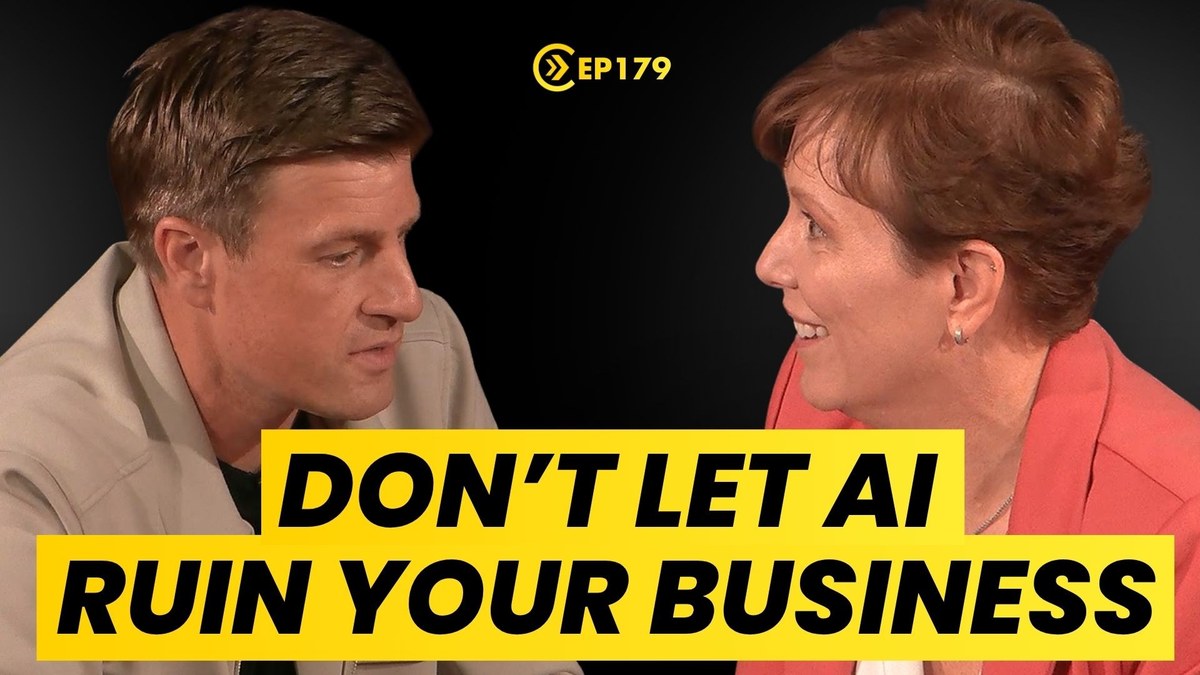
Julie Holmes calls AI "the great filter." It's a prediction engine built to find the average, and it pulls everything it touches back towards the middle. Lean on it too hard and your emails and your marketing start sounding like everyone else's. They're coming from the same statistical centre everyone else is drawing from.
She has a line for what that's done to standards: the floor is rising. It's never been easier to be good. Someone who joined a business yesterday can now write a sales email like they've got ten years behind them. That sounds like progress. It also means being good has never been less impressive.
So the risk in 2026 is becoming ordinary. Everyone has the same tool now, and competence stopped standing out the day everyone got access to it.
What LinkedIn changed this year
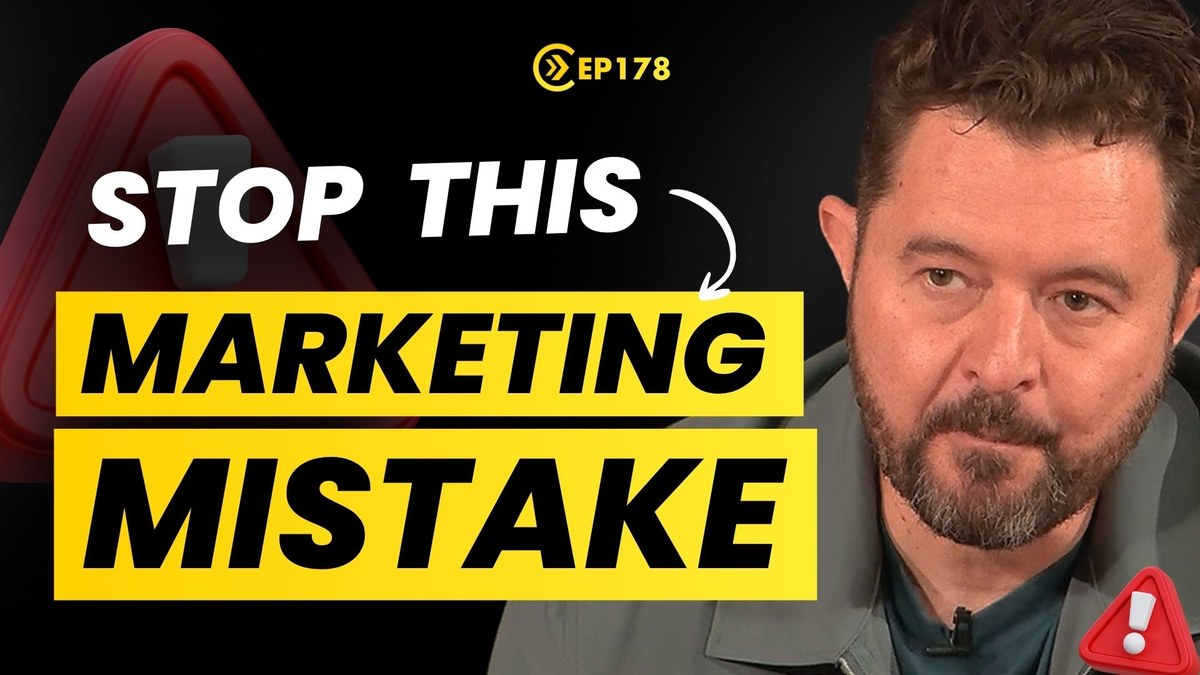
Daniel Priestley showed the platform side of the same story. LinkedIn changed how it decides what to show people this year. It used to count likes and comments in the first hour and reward whatever got the most. Now, he says, it reads the content itself, works out who it's for and finds those people.
His figures for how long people stayed on a post: before the change, 1.2 per cent stayed a minute or more. After it, 15.6 per cent did. Fewer people see any given post. The ones who do are far more likely to stop.
He also reckons a personal profile now gets roughly twenty times the engagement of a business page carrying identical content. The algorithm has gone looking for the person behind the logo.
When ChatGPT recommends a person
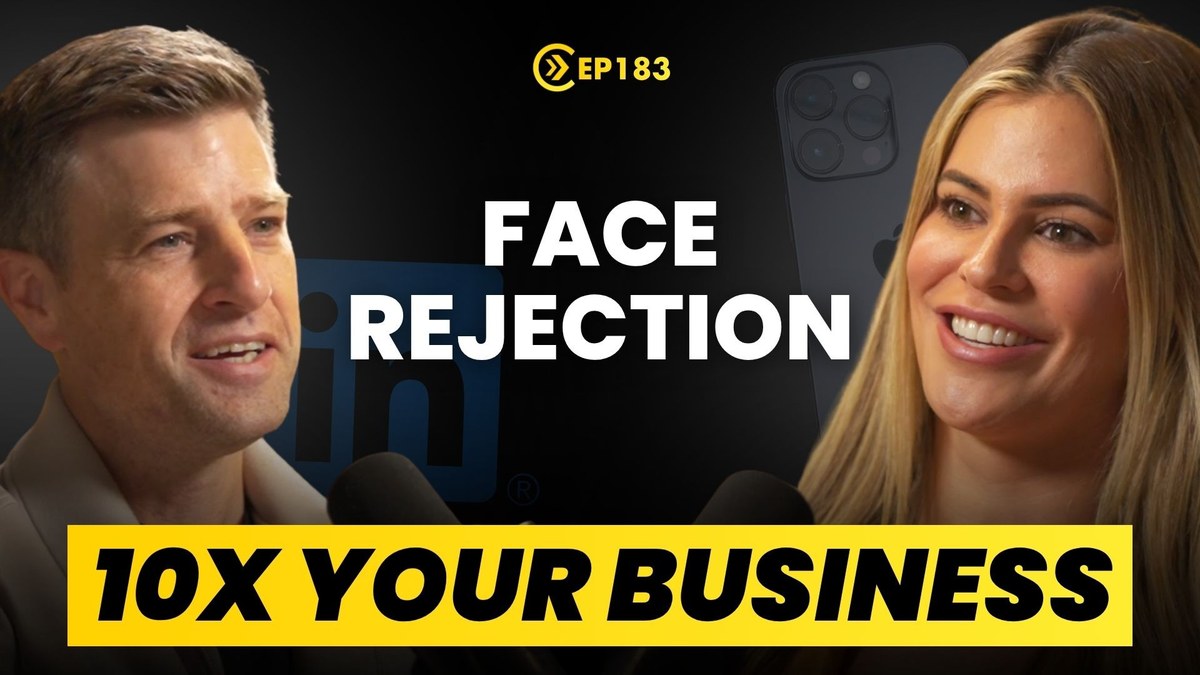
Amelia Sordell had the number that stopped me. Twenty to thirty per cent of the new business at her company now comes from people asking ChatGPT or Claude who to talk to about personal branding, and the AI naming her. Her, by name, ahead of her company.
Her reason why is worth sitting with. To her, a personal brand is congruence: what you say lining up with what you believe, lining up with what you actually do. You can't put it on like a costume for the room, and an algorithm can't fake it. It's either true of you or it isn't.
Sara Davies on reading the room
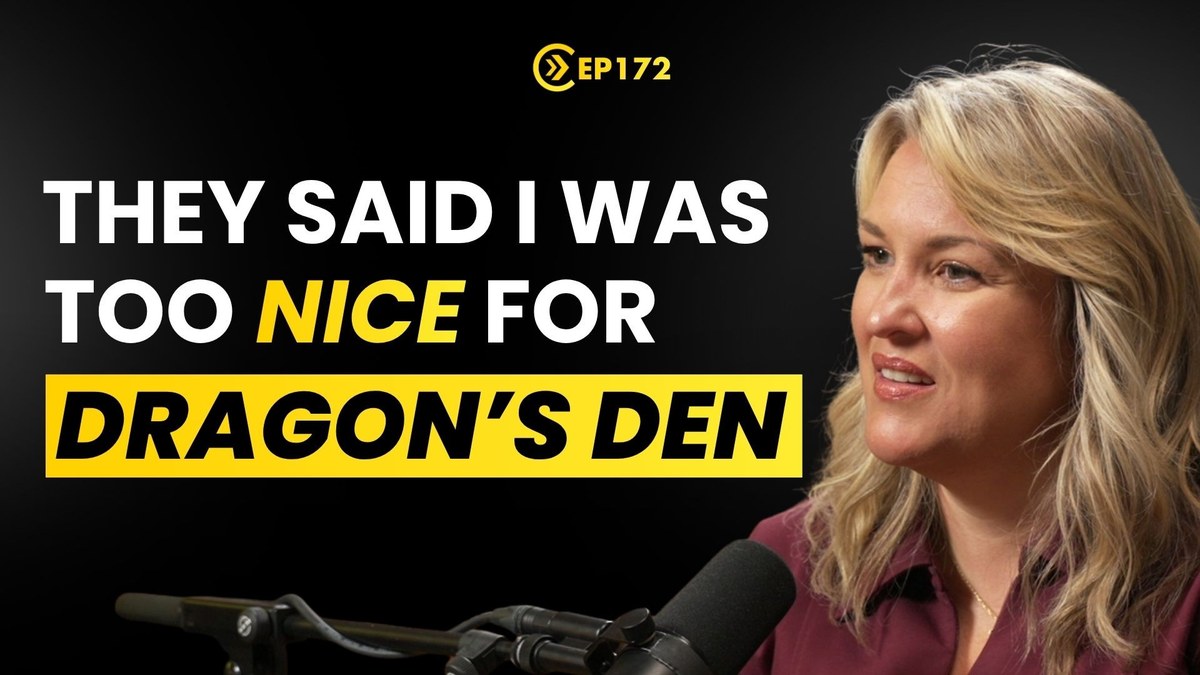
Sara Davies named the skill underneath all of this: emotional intelligence. She calls it the single most important thing any business leader needs, and she's specific about where she spends hers.
In a meeting, she says, AI can capture the words, and that's maybe seven per cent of what's being communicated. The rest is the tone, the body language, the moment someone agrees to a decision they don't believe in. That still needs a person paying attention.
So let the AI take the notes, and spend your own attention reading the room.
Richard McCann and the room that leans in
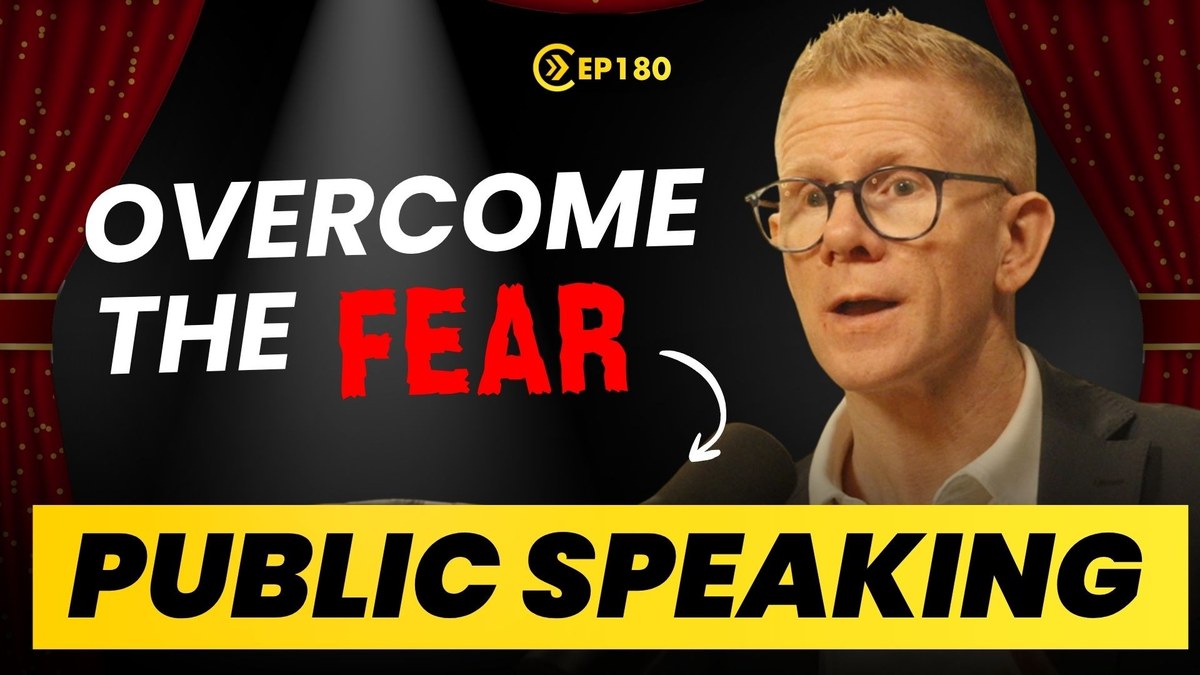
Richard McCann has spent sixteen years coaching public speakers and has given over three and a half thousand talks of his own. The mistake he still sees senior leaders make? They lead with facts when the room needs feeling.
He builds his teaching on Aristotle's three pillars of influence: credibility, logic and pathos, the emotional connection. Pathos is the one business presentations miss almost every time. Share a story and, he says, something measurable happens in the room. Oxytocin releases and people lean in. Read out a slide of figures and they nod politely and forget it by lunch.
That's how people have always made decisions. It was true long before anyone had a language model open on their laptop.
Jeb Blount picks up the phone
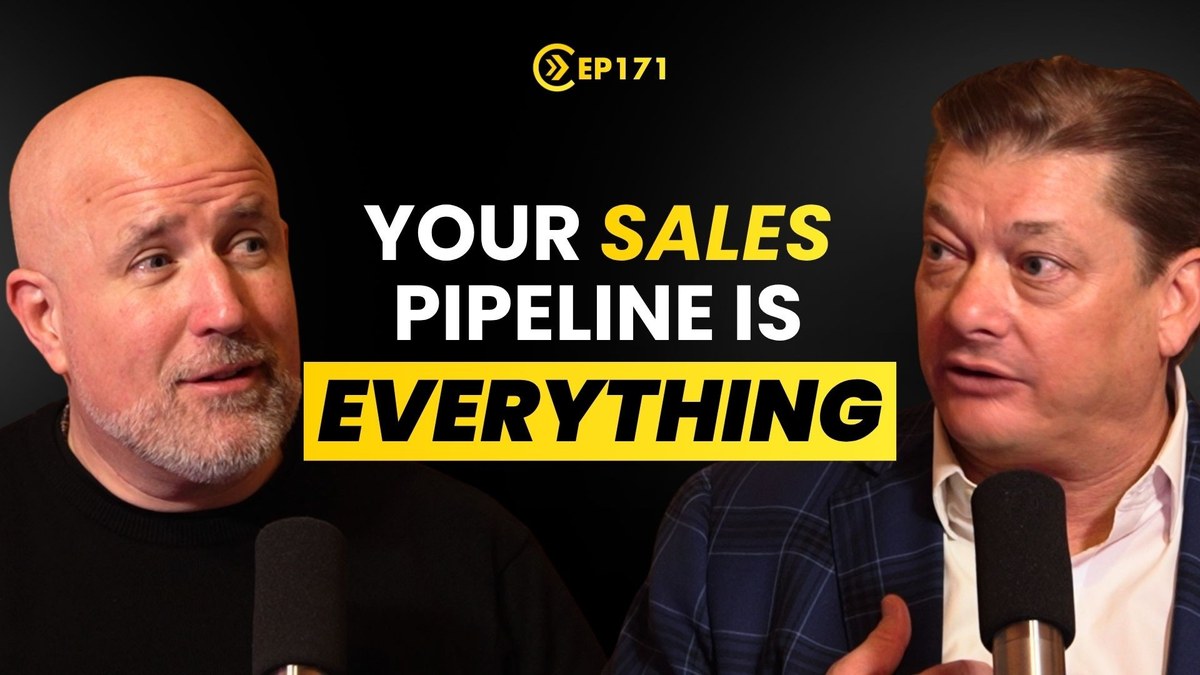
Jeb Blount's version is about noise, and I spoke with him directly on this one. Everyone's inbox is full of AI-written outreach now, which is exactly why a real phone call stands out. Almost nobody's willing to make one anymore. The ones who still do get remembered for it.
Rory Sutherland on what data misses
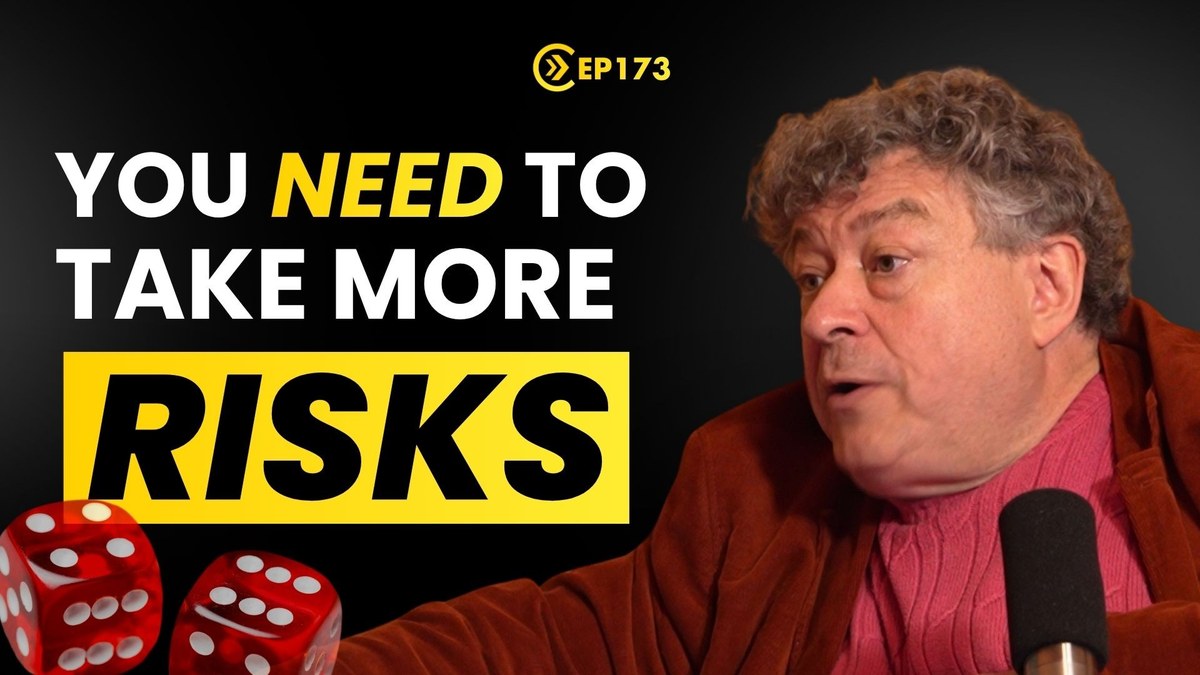
This is the one I keep coming back to. Rory Sutherland points out that company data, the stuff AI gets trained on, records what people did. It says almost nothing about how they felt. And how they felt is where the decision got made.
He borrows a term from evolution for what happens when a business only trusts what it can measure: a narrow fitness function. Define success too tightly and you miss the outliers. Worse, you design them out before they ever get a chance to happen.
Harriet Beveridge and the sellotaped hand
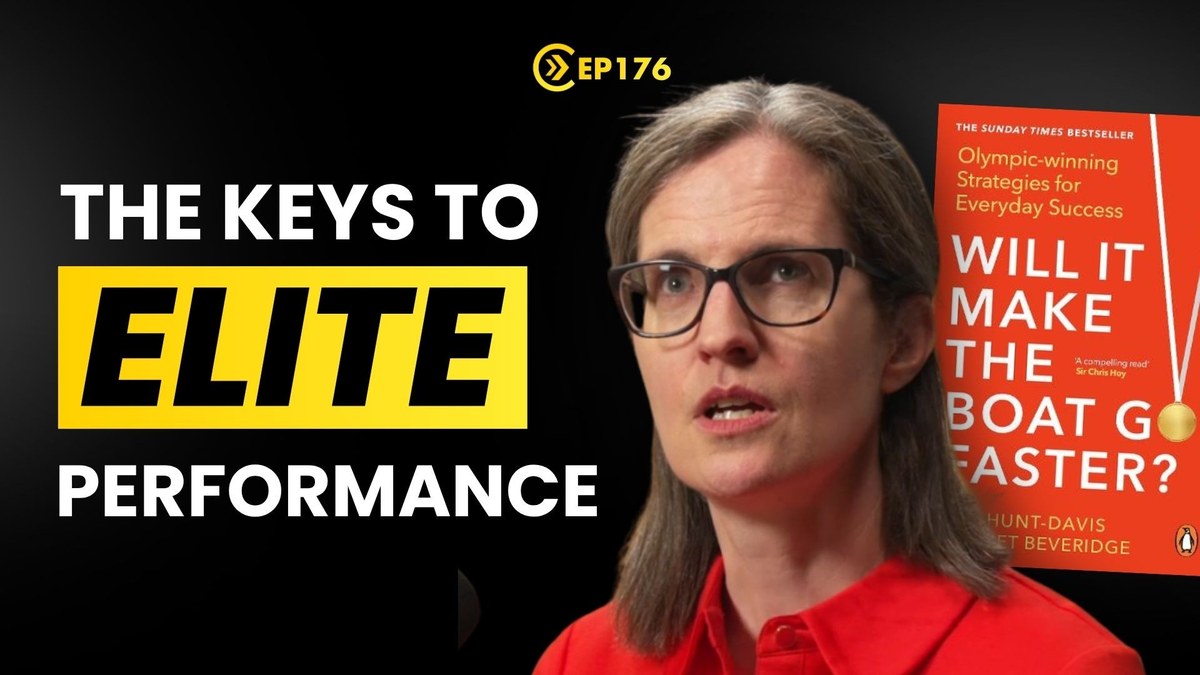
Harriet Beveridge's subject was an Olympic rowing crew, and her line still fits here. High performance, she says, comes from making the wrong thing hard to do and the right thing the only easy option left.
Most leaders try to will their way into being more present and more human, and hope that's enough. It rarely is. The businesses getting this right build it into how they work, on purpose. The same way that crew sellotaped a rower's hand to the oar so there was no wrong decision left to make.
Penny Power and feeling known
I spoke with Penny about belonging, and what it actually means to build a community rather than an audience. Her argument is that most businesses are collecting followers when what they need is people who feel seen. AI can personalise at scale. Making someone feel known is another thing entirely. That gap is where trust lives, and trust is still what converts.
Within eighteen months everyone will have roughly the same AI. Everyone eventually got the same spreadsheet software and the same email marketing tool too.
The businesses that do well from here will know which parts of their work are mechanical and hand those over without a second thought. They'll also know which parts are meaningful, and they'll keep those unmistakably human.
That's a leadership call. You make it in how you brief your team, in what you still turn up for yourself, and in what you're willing to let a machine do on your behalf. Even when nobody would ever know the difference.