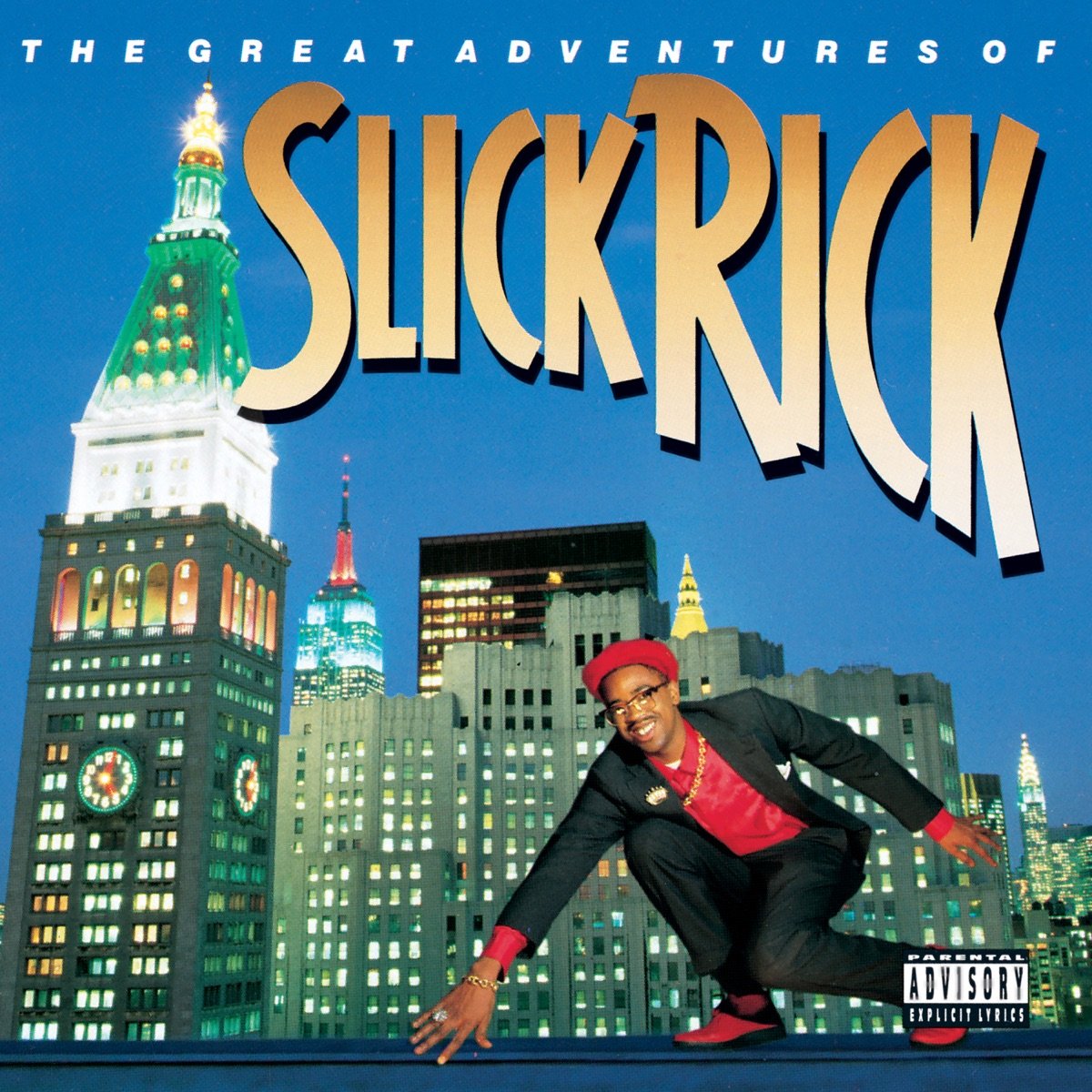

Johnny Cash very nearly made my Mount Rushmore. A podcast asked me for my Mount Rushmore of influence, the faces I’d carve into the rock. I’ve been obsessed with music since I was a little kid, so I could have picked Bob Marley or Johnny Cash. But we were talking about edutainment, which means teaching people something while you entertain them. For that, it had to be KRS-One.
But Cash was right there in the queue. And his autobiography is one of the music books I’d push into anyone’s hands.
If you’ve seen the movie, you’ve got some of the story. It isn’t the same as reading the book. Come on, this guy has some stories.
Cash tells it himself, looking back over a very long life. Growing up poor in Arkansas, picking cotton with his family. Losing his brother when they were boys. Sun Records. Folsom Prison. Years of addiction that nearly finished him. June Carter, and his faith, at the heart of finding his way back.
There’s darkness in these stories, but there’s hope too. He doesn’t tidy up the bad years. He doesn’t wallow in them either. He just tells you what happened, in that deep, plain voice you can almost hear on the page.
His career is incredibly long, and there’s luck in it as well as hard work. Some of that luck is being lucky to stay alive. Some of it is being in the right place at the right time. He’s honest enough to say so. Plenty of people who make it like to pretend it was all talent and graft.
I’ve been sober since 2014, and stories of people finding their way back mean a lot to me. Getting clean is rarely a straight line. Cash fell down and got back up more than once, and he’s open about all of it. That kind of honesty makes it easier for the next person to talk about their own.
The songs were the door out
This is the line from the book I chose for my guide:
“They’re powerful, those songs. At times they’ve been my only way back, the only door out of the dark, bad places the black dog calls home.”
The black dog is depression. Cash had his share. And he’s telling you that music was the thing that pulled him out when nothing else could.
Music has been the soundtrack to every chapter of my life, so that line hits home. A song can reach the bit of you that a conversation can’t. If you’ve ever put a record on just to feel like yourself again, you’ll know what he means. (If you’re in a dark place yourself, please speak to your GP or someone you trust. This is just me talking about a book.)
Nobody told him who to be
The other thing that shows up all through his life is tenacity and persistence. Plenty of people had ideas about what kind of man he should be. He didn’t let anybody tell him. He worked it out for himself, and he kept working it out, right to the end.
That’s what the Man in Black thing was about, really. He dressed the way he wanted and sang for the people he wanted to sing for. Including the men in Folsom and San Quentin.
Most of us won’t ever play Folsom. But we all get told who we’re supposed to be. By family, or by whoever happens to be loudest in the room. Cash is a decent reminder that you get a say in it.
The persistence bit is worth stealing on its own. Cash had long stretches where it wasn’t working, the records weren’t selling and people had written him off. He kept turning up. Late in life he made some of the most loved records of his career. That only happens if you’re still in the game when the luck comes round again.
It’s in the recovery chapter of my free guide, 50 Books That Shaped Me. The books around it are honest stories of people finding their way back.
If you’ve only ever seen the film, maybe it’s time you heard it from the man himself.