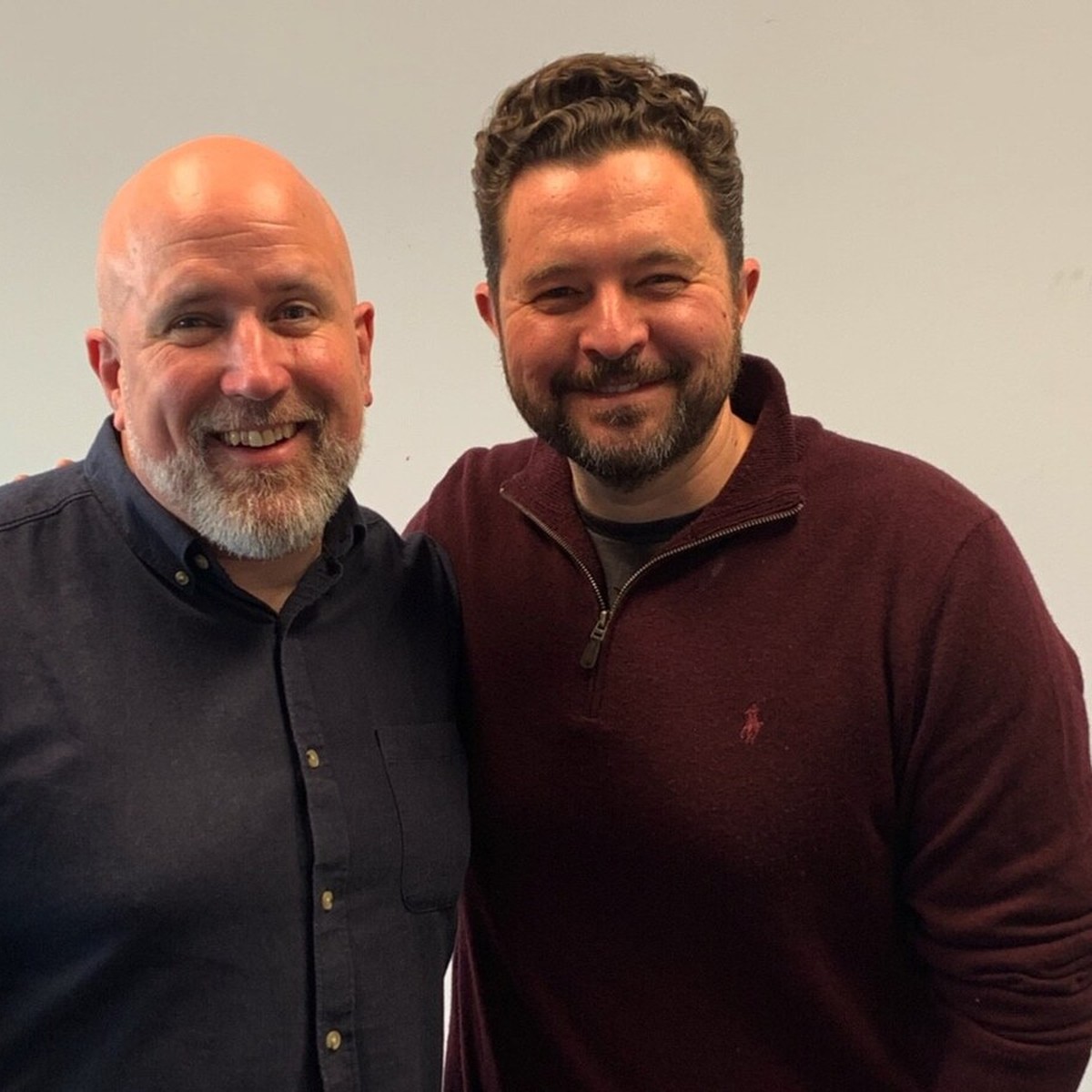
"The opposite of a good idea can be another good idea."
Rory Sutherland said that to me, and it's stayed with me since. It came out of a question I've been asking people whose thinking on marketing I've respected for years. Rory was one. The others were Drayton Bird, Daniel Priestley and Andy Bounds.
The question was the same each time. With everything changing so quickly in marketing, what principle still matters as much as it ever did? I wanted something that worked long before social media and will probably still work after today's platforms have gone.
Most marketing conversations I hear start with tactics: what to post this week, whether you need a funnel, whether video is still the thing. Fair questions, all of them. None of these four started there.
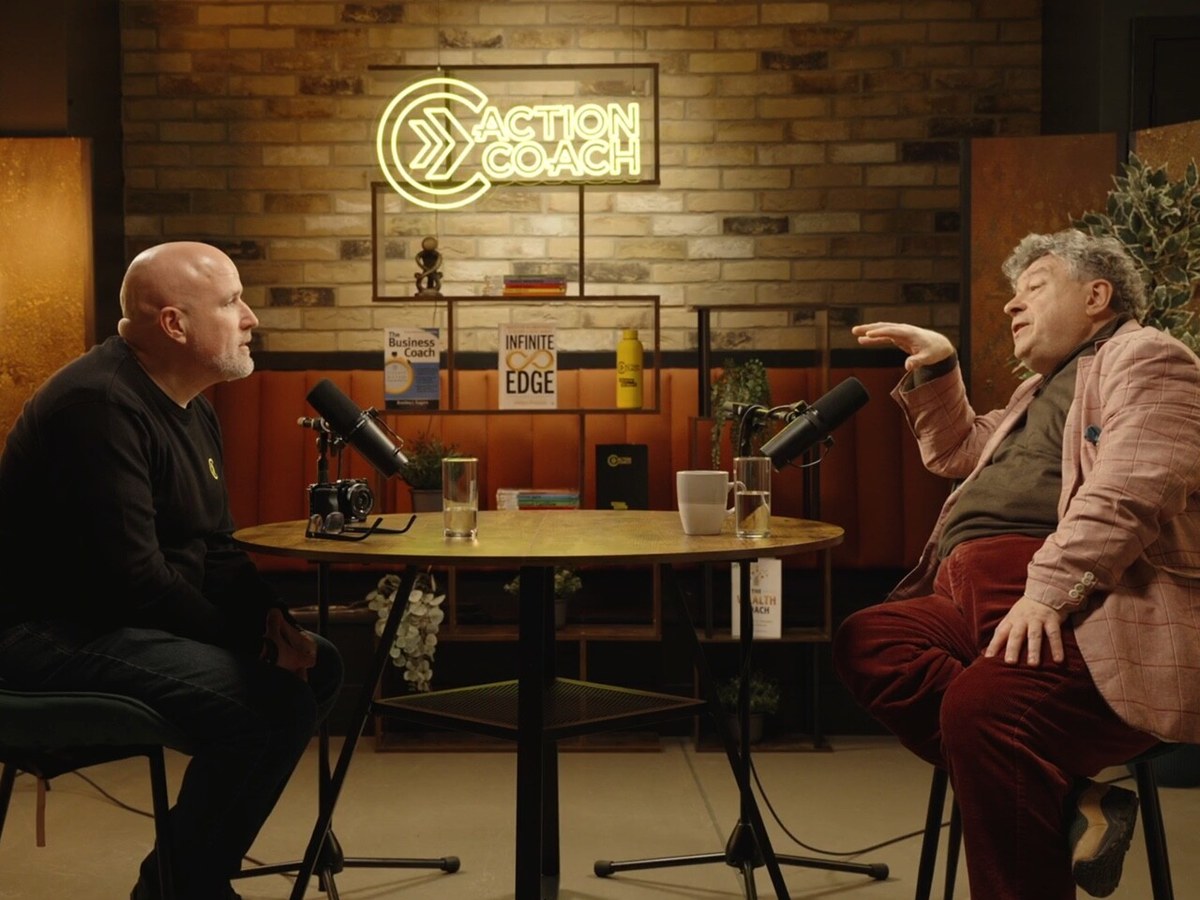
Rory Sutherland: when everyone zigs
Rory was talking about trends. When everyone moves in the same direction, an opportunity often opens up in the other.
You see it constantly in marketing. A platform gets popular and everyone rushes there. A format takes off and every brand copies it. A tool becomes fashionable and the internet fills up with it.
So the opening sits just outside the crowd. That doesn't mean ignoring new tools. It means asking what everyone else is doing, and where the gap might be. It's a point about how people behave, and tactics come a long way second.
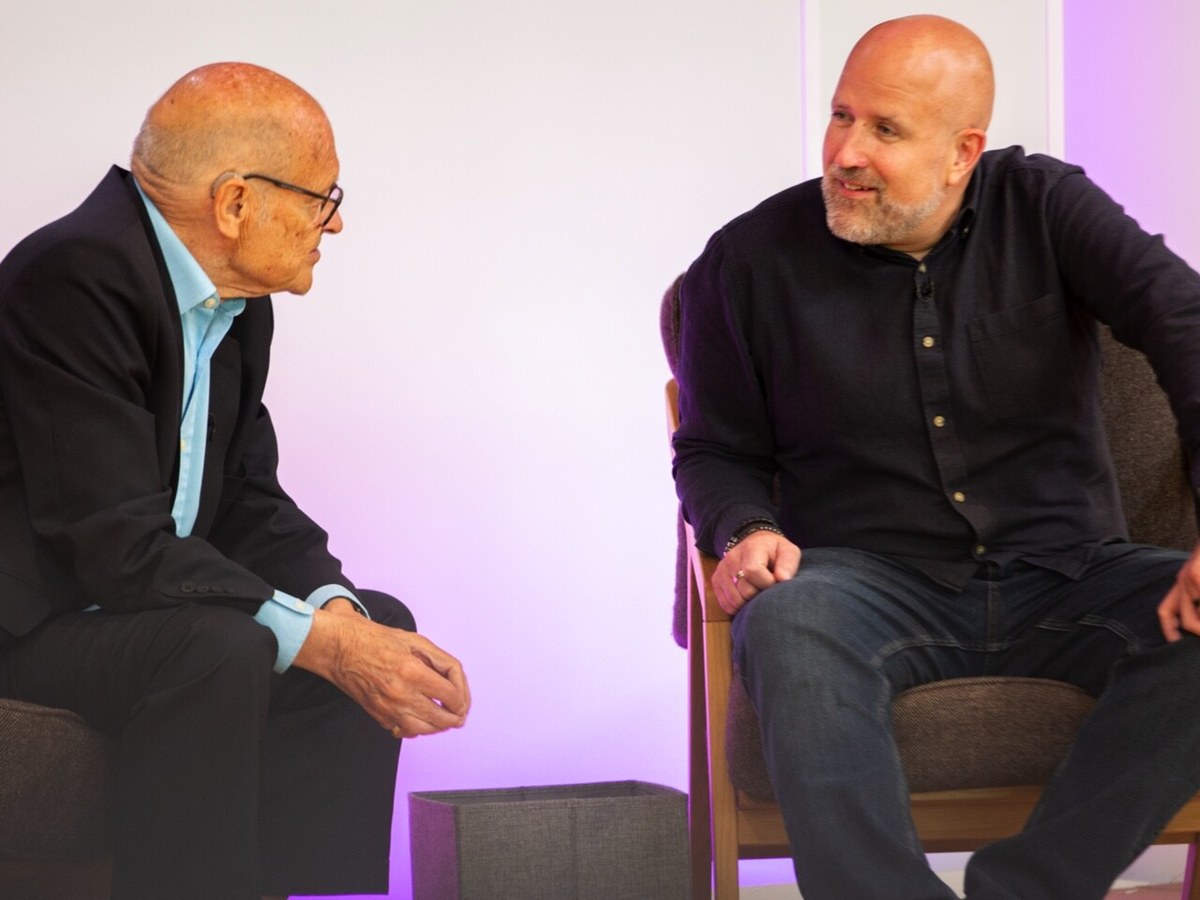
Drayton Bird: stand on both sides of the counter
Drayton Bird was Rory's mentor early in his career, and his influence on how marketers think today runs deeper than most people realise.
I asked him the same question. He didn't hesitate. He told me about an American department store founder who once said something Drayton has never forgotten: "My ambition is to stand on both sides of the counter at once."
That's a brilliant description of the real skill in marketing. You have to see the world from the customer's side as well as your own.
Most businesses spend their time watching competitors. The best marketers watch customers. Where there's frustration, there's usually an opportunity. Where there's delight, there's often another one. And then you have to think about what you've seen and what it means. That's where the good ideas come from.
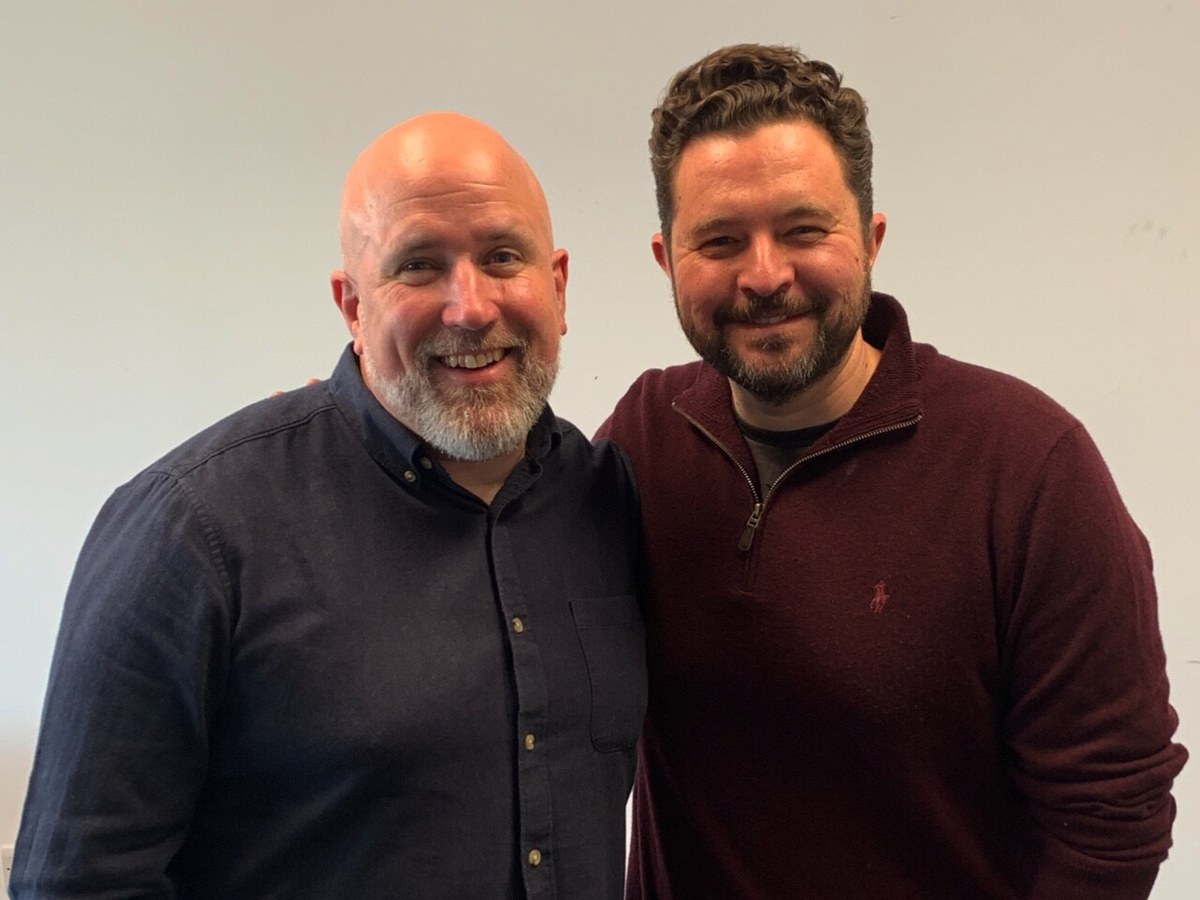
Daniel Priestley: attention changes when people turn up
Marketing also depends on attention, and that's where Daniel took the conversation. His answer was older than most marketing technology: live environments.
He shared an observation that stuck with me. Put a piece of content on YouTube and people might watch eight minutes. Put the same people in a live Zoom room and they'll stay for an hour. People pay a different kind of attention when they've chosen to be there.
His modern twist is to use digital platforms to build demand and oversubscribe the room. If the event holds a hundred people, aim for a thousand registrations. Why? Because profit often comes from scarcity. One thousand bananas and ten thousand people who want them is a good business to be in.
Andy Bounds: say the destination first
Andy came at it from another angle entirely: communication. He has a principle he uses all the time, which he calls "afters early". Start with the outcome.
If someone wants help exporting into France, don't open the meeting by talking about yourself. Open with the result: "Here are two ways we could help you get into France." Lead the proposal with the outcome too. When you present, make the first slide the destination, because people care far more about where they're going than about your process.
He added one more thing that matters just as much. Every piece of communication needs a call to action. If you don't tell people what to do next, they usually do nothing.
What the four answers had in common
What struck me was how little any of them sounded like a modern marketing conversation. Nobody mentioned posting frequency, algorithms or which platform matters most. They talked about how people behave, what they pay attention to, what creates demand, how to be clear, and being curious about customers. In other words, the things that actually drive decisions.
Modern marketing makes it very easy to get obsessed with tactics. There's always a new tool, platform or format, and each one promises more reach, more leads and more growth. It feels like progress. Often what you get is a business producing constant activity without a clear message. The team experiments endlessly while nobody's sure what the business stands for. Content fills space and says very little. The noise goes up and the results don't follow.
Before you pick a tactic, it helps to answer four questions:
- Who exactly is this for?
- What problem do they already care about?
- Why should they believe you?
- What should they do next?
Get those clear and the marketing gets much simpler. The platform matters less, because the message is doing the work.
New tools will keep turning up. Some will work and some will disappear. I'd still bet on the same things these four told me about: people paying attention to what feels relevant, trusting businesses that show proof, and buying when the value is obvious.