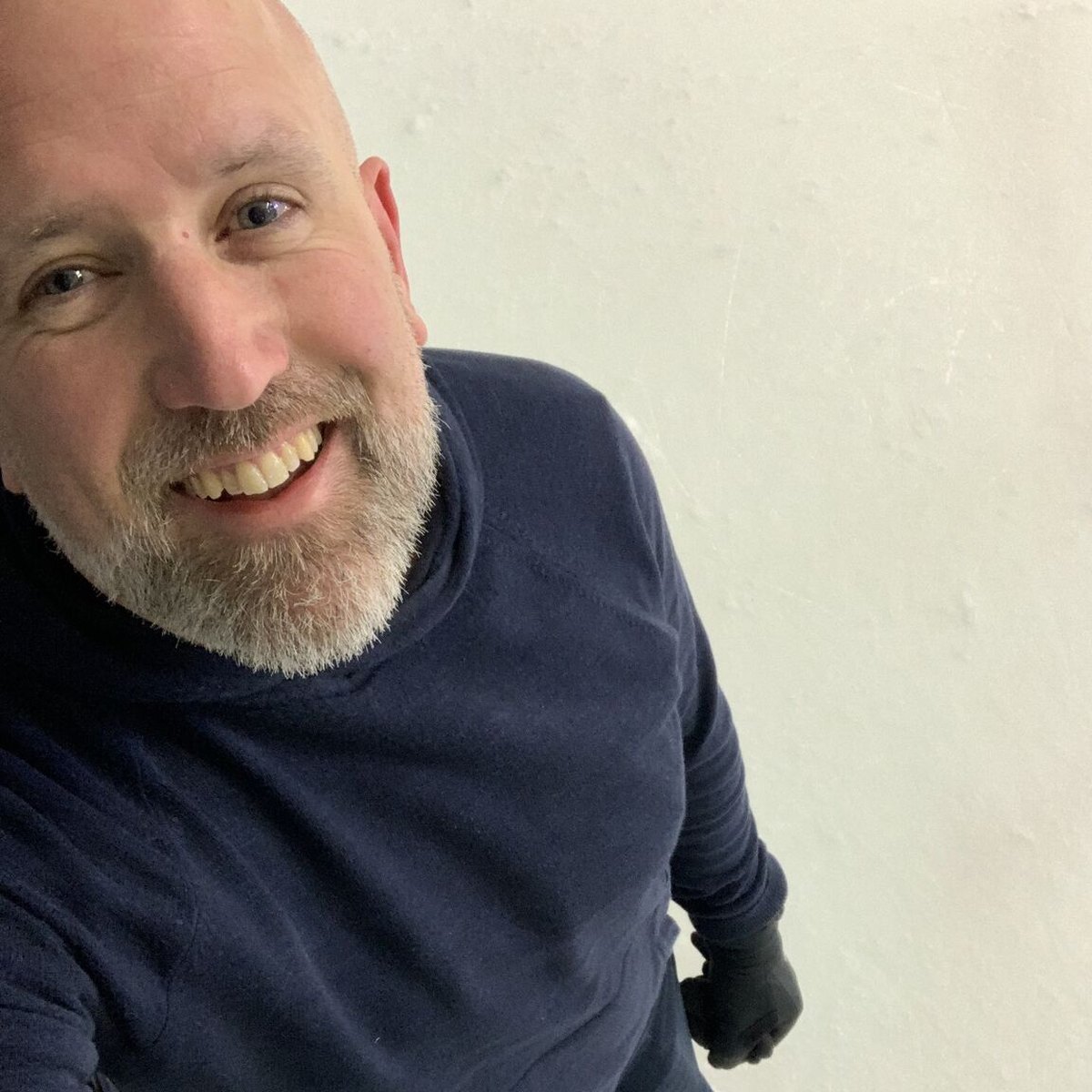
Yesterday I put skates on for the first time in over 15 years.
I half expected to wobble. What actually happened amazed me. It felt natural.
The boots that took me everywhere
As a teenager I skated everywhere. My Bauer Turbo roller boots were my go-to way of getting around for years. If I wasn't walking, I was rolling.
I must easily have spent 10,000 hours on those boots.
Yesterday was on ice rather than wheels, which is a different feel under your feet. But the technique, the balance and the rhythm were all so familiar. My body remembered things my head had long since forgotten.
If anything was missing when I first stepped on to the ice, it was confidence. But that soon came back.
At the time I was just getting from A to B, again and again, for years. That kind of repetition goes deep.
The 10,000-hour rule
It got me thinking about the 10,000-hour rule, made famous by Malcolm Gladwell in his book Outliers. His point is that getting really good at something takes roughly 10,000 hours of dedicated practice.
People argue about the exact number, and that's fair enough. What I noticed on the ice was something slightly different. It's what happens after you've put the hours in.
Mastery comes from practising something so deeply that it becomes second nature. And once it's in there, it stays, ready to be called on even after years of sitting quietly in the background.
Your skills are still in there
This applies to every area of life. Sport, business, relationships, health.
The skills you've worked hard for in your career don't vanish because you haven't used them for a while. They shape your instincts. They guide your decisions. And they show up, almost without effort, at the moment you need them most.
Think of a business owner who started out on the tools, behind the counter or on the phones, and then spent years running the business from behind a desk. Put them back in front of a customer and the old skills are right there. They just need a little while to warm up, like my legs on the ice.
I wrote more about this in Master the skills that don't go out of date.
If you're dreading going back to something you used to be good at, whether that's speaking, selling, writing, or something you loved as a kid, give yourself more credit. The hours you put in are still yours.
The thing most likely to be missing is confidence, and confidence comes back fastest when you just get started.
Have a think about your own 10,000 hours. What did you spend them on, and how have they shaped the way you work today?